The International Smart Grid Action Network (ISGAN) aims to accelerate the development and deployment of smarter, cleaner electricity grids, smart grids around the world. ISGAN’s national experts hail from 24 countries and the European Commission and include engineers, analysts, academics, industry executives, government officials, project managers, policymakers, technology providers, and utility planners. In collaboration with the International Energy Agency (IEA), the Clean Energy Ministerial (CEM) and other strategic partners, ISGAN aims to identify emerging advances, share best practices and raise awareness of the value and impact of smarter grids.
ISGAN facilitates the exchange of knowledge, technical assistance, peer review and activity coordination among its participants and stakeholders. Policy analysis and recommendations are a top priority for ISGAN. Its relevance is based on unbiased technical expertise and direct interaction with policymakers.
Dynamic management of electricity demand and application of energy-efficient technologies to their full potential;
Better utilisation of existing electricity generation assets;
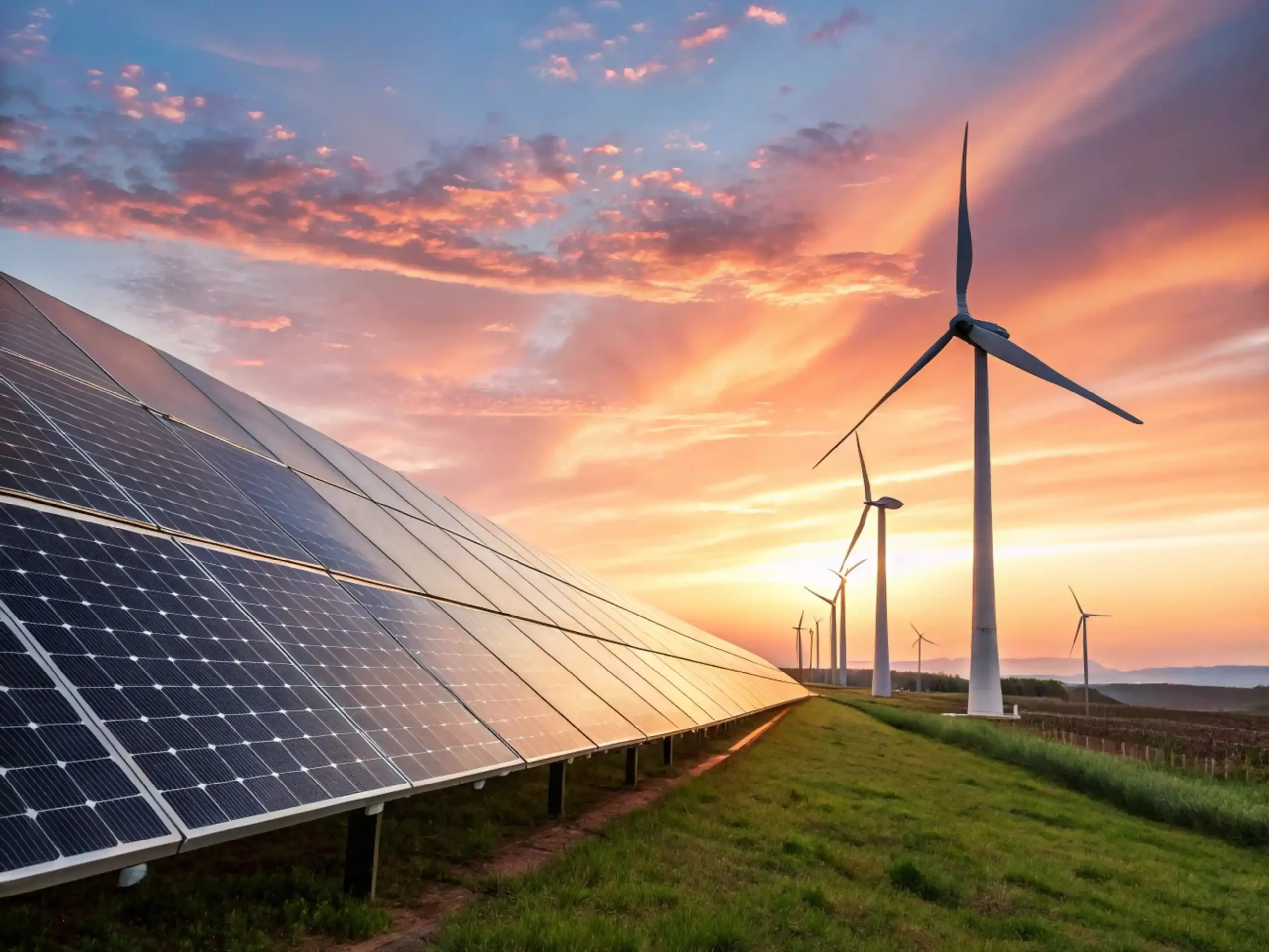
Integration of growing supplies of both utility-scale and distributed clean energy systems, especially renewables, battery storage, and the expanding fleet of electric and plug-in hybrid electric vehicles;
Overall improvement of operational efficiencies within the power sector.
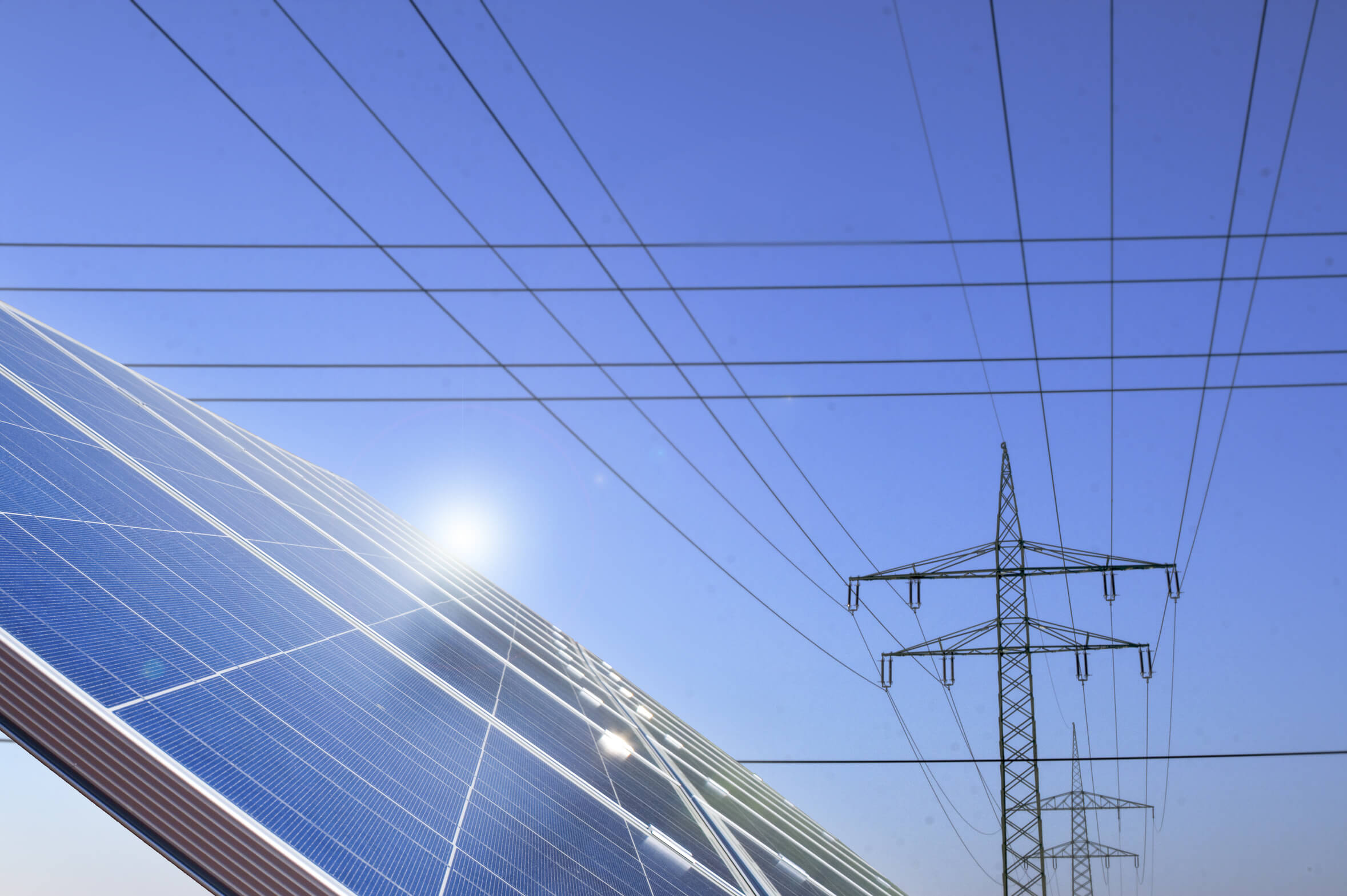
Smarter, more flexible power grids are essential for achieving individual and collective resilience, clean energy and climate objectives.
ISGAN is accelerating progress on key aspects of smart grid policy, technology, and investment to update existing grids and build future ones, through the voluntary participation of governments and their designees in collaborative projects and programmes.
ISGAN focuses particularly on clarifying and promoting specific aspects of the smart grid in areas where governments have policy or regulatory authority, expertise, the ability to bring people together, or other leverage. Our activities collectively demonstrate and promote the global significance of smart grid initiatives, identify forthcoming challenges and help to realise emerging opportunities.
ISGAN is launched at the first Clean Energy Ministerial (CEM) meeting in Washington, D.C. The initiative stems from the CEM’s commitment to policies and programmes that accelerate the global transition to clean energy.
ISGAN is formally established as an Implementing Agreement of the International Energy Agency (IEA) for a Cooperative Programme on Smart Grids, operating as a Technology Collaboration Programme under the IEA’s Framework for International Energy Technology Cooperation.
ISGAN membership spans five continents and comprises 24 participating countries and the European Commission.
ISGAN expands to include Annex 5: Smart Grid International Research Facility Network (SIRFN), which brings together a diverse range of research and testing facilities.
The first annual ISGAN Awards of Excellence are launched to celebrate excellence in smart grid projects and encourage the adoption of proven best practices in other countries and jurisdictions.
The KTPs provide dynamic environments in which interdisciplinary groups of participants with complementary skills contribute to the development of ISGAN knowledge products, policy recommendations, and specialised technical support. ISGAN completed its ninth KTP project in 2023.
ISGAN hosts dozens of webinars every year, where participants from academia, government, non-profit organisations and industry gather to share and demonstrate best practices and the latest smart grid research.
ISGAN continues to expand its international reach, serving as a partner in domestic and international efforts, including those of the Global Smart Energy Federation and the India Smart Grid Forum.
ISGAN Annex 3 releases the smart grid evaluation toolkit that integrates cost-benefit analysis (CBA) within a multi-criteria analysis (MCA) framework.
The Annexes are transformed into Working Groups (WGs): WG 3: Cost Benefit Analysis and Toolkits, WG 5: Smart Grid International Research Facility Network, WG 6: Power Transmission and Distribution Systems, WG 7: Smart Grid Transitions, WG 9: Flexibility Markets, and a cross-cutting Communications Working Group focused on deep knowledge exchange.
The new strategy and structure process is completed, and the Request for Extension (RfE) is finalised.
Sign up to our newsletter to receive information about ISGAN activities, news, and events.